About Me

My photo
Troy Nahumko is an award-winning author based in Caceres, Spain. His recent work focuses on travels around the Mediterranean, from Tangier to Istanbul. As a writer and photographer he has contributed to newspapers and media such as Lonely Planet, The Boston Review, The Globe and Mail, The Sydney Morning Herald, The Toronto Star, Counterpunch,The Irish World, The Straits Times, The Calgary Herald, Khaleej Times, DW-World, Rabble and El Pais. He also writes a bi-weekly op-ed column 'Camino a Ítaca' for the Spanish newspaper HOY. His book, Stories Left in Stone, Trails and Traces in Cáceres, Spain is published by the University of Alberta Press.As an ESL materials writer he has worked with publishers such as Macmillan and CUP.

Saturday, August 22, 2020

Snakes and the Tree of Knowledge

How to Identify a Water Moccasin

This stop on the Camino a Ítaca takes us back to the swamps of Northern Florida, aquiring new skill sets and seeing the world through very different eyes. Read the original English below or click over to the published version in Spanish. Tambien se puede ver el original en castellano abajo en PDF.

I’ve always hated snakes. It’s a reaction that is as old as Eve but my personal dislike for them started when I was almost bitten by a rattlesnake while fishing with my grandfather in British Columbia. Years later, hacking through the dense growth in northern Florida with my friend Washington, every shadow reminded me of my grandfather flinging the rattler into the lake and watching it writhe as it sank into the pale green deep of the oddly named, Yellow Lake.

I’ve had many jobs in my life, starting at fourteen at Toys ‘R Us stocking Cabbage Patch dolls during the Christmas holiday rush. I’ve been an all-night radio DJ, a relic in something called a record store, an English teacher for heavily armed Yemeni tribesmen and a guitar player behind chicken wire in a bad Country band in northern Canada, just to name a few. But by far the most demanding job I’ve had was setting fence posts with Washington.

It was a time when I was between tours and desperately needed to make some money. I was sitting at the bar after the last gig of the tour, peeling the labels off my beer bottle in the humidity, when an older man sitting next to me suggested, “If you’re looking for work and don’t mind getting some calluses on your hands beyond those on your fingertips, you can come work with me.”

Northern Florida is about as far away as you can get from Miami. In smaller towns the racial divide is still illustrated by the train tracks that run through towns with Indian names like Suwannee, Ocala and Alachua. Early the next morning I waited by those tracks for Washington to pick me up and get to work.  

Over the next few weeks with him, I learned about more than just digging ditches. Washington knew exactly where alligators were most likely to be, as well as the lethal Water Moccasins that made their nests, but he also knew how to read people and navigate sticky social situations quickly. 

“Aren’t you afraid of snakes?” I asked one day as we waded into yet another swamp. “No,” he replied, “the snakes here ain’t nowhere near as bad as they were back in ‘Nam.” The fact he was in the war didn’t surprise me. He was about the right age and a disproportionate amount of Blacks were conscripted.

“When were you drafted?”

“Drafted? Not, me. I wasn’t drafted, I joined up back in 1965.”

“Really? Did you want to go to war?”

“Man, how was I supposed to know there was a war going on!? I never knew a place called Vietnam existed, let alone the Vietcong. Do you think those white men were going to tell me I had to go overseas and shoot at them people when I joined?”

I often think of Washington, whose wisdom guided him well but whose life could have easily had a premature end due to a lack of information, or worse, information that was purposely withheld from him. Then I think of the tanned, smiling people coming back from summer holidays bragging about how out of touch they have been and how happy they are and I remember something else Washington told me as he paraphrased the great Muhammad Ali.

 “Snakes aren’t mean, they’re just doing what they gotta do, it's their nature. It’s the Man you got to watch out for. If you don’t keep informed, his forked tongue will get you bit every time. They’re so mean they make medicine sick.’


Monday, August 17, 2020

Reading the Surface: An Interview in the Regional Newspaper

 I was interviewed recently for a summer piece the regional paper focusing on foreigners living in Extremadura. For reasons of space, they had to cut out a lot of my replies. This could have led to some misunderstandings...but judging from the comment section, some people read and understand what they want to...no matter what you say. 

Here's the full-length version in the original Spanish.

–¿Por qué vino a Extremadura?

La primera vez que visité, dormí debajo de un puente, literalmente. Me dirigía a Marruecos después de haber caminado de Santiago a Lisboa y de alguna manera llegué a Mérida. Pasé el día explorando la ciudad y luego pasé la mayor parte de la noche cerca del río mientras esperaba el autobús a Algeciras.

–¿Qué impresión tuvo cuando llegó?

La primera vez fue en la primavera y recuerdo estar fascinado por el cielo. Era un azul tan puro. Bajo ese azul, todo a mi alrededor adquirió una calidad cinematográfica. La segunda vez fue en agosto y recuerdo haber bajado del autobús en Navalmoral a mediodía. De nuevo, fue como una película, pero esta vez un western distópico. El intenso calor creaba una neblina a la distancia y la estación estaba completamente desierta. De repente, la canción del Coche Fantástico comenzó a sonar desde un juguete para niños de esos que funcionan con monedas. Surrealista.

–¿Cuál es la mayor diferencia que ha encontrado entre el modo de vida de aquí y su lugar de origen?

Eso es difícil de decir. Dejé Canadá cuando tenía diecisiete años, por lo que mis recuerdos definitivamente no coinciden con la realidad allí de hoy en día. Mis recuerdos son como una imagen polaroid granulada, sin cinturones de seguridad, ceniceros desbordados y cocinas de plástico que nunca habían visto ni olido a ajo y aceite.

–¿Cómo le recibieron aquí?

España, en general, es extremadamente acogedora para los extranjeros. Sin embargo, soy uno de los inmigrantes que se denominan como "expatriados" y de ninguna manera soy un refugiado, a menos que me consideres ser refugiado climático. Creo que mi experiencia sería significativamente diferente si fuera de algún lugar al sur del Mediterráneo.

–¿Tardó en acostumbrarse a vivir aquí o se adaptó enseguida al ritmo de vida?

Supongo que lo más difícil de adaptarse es la forma en que se divide el día, con el almuerzo largo y donde no pasa nada hasta las cinco.

–¿Cómo ha cambiado su visión de la región en el tiempo que lleva aquí?

Cuanto más vivo aquí, más me doy cuenta de lo poco que sé.

–¿Podría definir Extremadura con tres palabras?

Genuina, sufrida, vasta

– ¿Qué es lo que más le conquistó de esta tierra?

Con alguien de Extremadura y la tierra misma, lo que ves es lo que tienes. En un mundo de quimeras, eso puede ser bastante refrescante.

–¿Y lo que menos?

Desafortunadamente, esa misma autenticidad también puede conducir a la resignación y la apatía si se lleva al extremo. Simplemente no entiendo por qué la gente aquí acepta el estado no escrito de ciudadanos de segunda clase. Y este estado se alimenta de lo que el Quijote llamó raíz de infinitos males y carcoma de las virtudes.

–¿Qué destacaría de los extremeños?

Su capacidad de disfrutar del momento. Esto es algo en lo que todavía estoy trabajando.

–¿Qué cree que necesita Extremadura para su desarrollo?

Necesitamos decidir si queremos seguir siendo serviles al poder, en cualquier forma que tome.

– ¿Cuáles son sus sitios favoritos de la región?

Me encantan las piscinas naturales. Son algunos de los lugares más civilizados de la tierra. Algo que los españoles hacen bien es tomar algo encantador y asegurarse de que haya un bar cerca con buena comida y cerveza fría.

–Extremadura es un paraíso natural ¿en qué sitios le gusta perderse?

La Sierra de Gata es uno de mis lugares favoritos. Sin embargo, algunas áreas que me gustaría explorar más son Las Hurdes, el Geoparque y la Raya alrededor de La Codosera.


–¿Qué rincones recomendaría visitar de la ciudad/pueblo en el que vive?

Vivo junto a la muralla del casco antiguo de Cáceres y vale la pena explorarlo una y otra vez. Lo que pasa es que la gente generalmente solo lo ve como hermosas piedras antiguas, pero si lo observas más de cerca, más detenidamente, te das cuenta que hay una comunidad que hace sus vidas junto a esas piedras. Recomiendo que echen un vistazo más profundo.

–¿Qué echa de menos en el lugar donde vive?

Una pregunta fácil, conexiones decentes de transporte público.

–¿Los servicios públicos con los que cuenta son suficientes? ¿Y las propuestas culturales y el comercio?

Cuando vine aquí por primera vez, el sistema de salud me sorprendió, era mucho mejor que cualquier cosa que hubiera visto. Desafortunadamente, los recortes continuos has reducido su eficiencia. Al comienzo de la pandemia, parecía que las personas se daban cuenta de esto, pero ya veremos si siguen con la idea de apoyarlo incluso más.

Ir de compras para mí es casi lo mismo que ir al dentista, no es algo que espero con ansias. Puede que haya estado en la Siberia varias veces, pero nunca he pisado El Faro.

–¿A qué dedica su ocio?

Cuando puedo, viajo. Después de haber explorado más de 50 países, ahora prefiero viajar más lento y más profundo.

–¿La cercanía con Portugal es un aliciente? ¿Suele viajar con frecuencia al país vecino? ¿Dónde va?

Amo Portugal y, de hecho, como escritor, las diferencias entre los dos países me fascinan. Tuve la oportunidad de tocar en Monsaraz de Reguengos el pasado verano. El embalse de Alquevar fue una revelación y a la vez una desacreditación del mito de que solo el Paquito Rana podría construir embalses.

– ¿Le gusta el clima extremeño?

Cuando las personas hacen esa pregunta, generalmente se refieren al calor del verano, pero en realidad no me molesta. Nadie me cree cuando digo esto, pero lo que menos me gusta es el frío. Salí de Canadá por una razón.

– ¿Suele recomendar a sus familiares y amigos que vengan de vacaciones o a vivir a Extremadura? ¿Por qué?

Claro que sí. Y suelen agradecer la oportunidad de ver un lado de España que no suele salir mucho en la televisión. De hecho, he estado hablando con algunas personas sobre la creación de un programa de televisión en este sentido, de presentar Extremadura desde una perspectiva diferente. Espero que ocurra.

–¿Hay algunas costumbres o tradiciones que le hayan llamado especialmente la atención?

Todavía estoy tratando de entender la Semana Santa, ese demonstración, aparentemente contradictorio de la fe. Por un lado, es una manifestación muy ‘pública’ pero a la vez oculta. Este exhibicionismo de muchos que no han pisado la iglesia desde que se casaron hace que todo el evento sea muy complejo de comprender.

–¿Suele acudir a fiestas de interés turístico o a acontecimientos culturales como el Festival Internacional de Teatro de Mérida?

Hay dos fiestas que, como escritor de viajes, es difícil justificar por qué todavía no las he visto. Uno es el Jarramplas en Piornal. El otro son los empalaos en Valverde.

–¿Qué es lo que más le gusta de la gastronomía extremeña?

Probablemente sería más fácil hacer una lista de las cosas que no me gustan. Uno de mis mayores confusiones es cómo, en un lugar que tiene una comida tan maravillosa, pueden continuar sufriendo un pan tan terrible.

– ¿Dónde ha viajado o va a viajar este verano?

Teníamos billetes para ir a Nueva York y luego cruzar a Canadá este verano. Obviamente, eso no va a suceder, así que este verano espero explorar todo lo que podamos a pie. Tengo hijas de siete y nueve años y espero explorar sus raíces y conocer un poco mejor de dónde vienen.


Saturday, August 8, 2020

WANTED


This week's stroll along the Camino a Ítaca circles back to Azerbaijan and beyond. Memories of images of Strong Men, Royalty and Dictators crying out to be loved and admired. Read the English version below or click over to the published version in Spanish. 


Even though it was against my better judgement, I just had to take the picture. Travel around the world and you soon learn the differences between places regarding where you can and can’t take pictures. Selfies at sunset for your Instagram account are just fine but if they happen to be next to a military complex or top secret laboratory, you’re better off to either take it very discreetly or simply wait until that next orange sky. That is, of course, if you don’t want to face some uncomfortable questioning that isn’t exactly focused on how happy you are with the buffet at the hotel.

But this one I just had to have.

We had been living in Azerbaijan for months by then and had become almost inured to the ever-present moustachioed faces of the great leader or his deceased father looking down on you. In some photos they were dressed up in military fatigues bursting at the gut. Others saw them trying, and failing, to look debonair, donning their tailored Savile Row suits. But the most tragicomic were those that had them dressed up in traditional garments, frolicking with their subjects. Subjects that would have been boiled in hot oil if they refused to take part in the montage. This one though, was different.

We were near the Nagorno-Karabakh region, close to the frontline where Azeri and Armenian soldiers still stare down the sights of their guns at each other, when I saw it. There they were, father and son together in dark sunglasses and 1960’s style turtlenecks, looking like villains that had just stepped out of a vintage James Bond movie.

I got out of the car and raised my camera and took the shot only to see out of the corner of my eye some military guards in their unmistakable soviet-style top hats start to shout and run towards me. Even though they were probably only looking for a small bribe to help feed their families, I didn’t fancy going through the elaborate ceremony situations like these involve and we took off down the road.

I have always held a morbid curiosity for the omnipresent pictures of Dear Leaders and their close counterparts, monarchs that you can see around the world. What purpose do action shots of the aforementioned Bond villains, tattered pictures of the King of Morocco in the most remote shop in the High Atlas, the God King of Thailand staring out of a rusted frame or the head  of the Queen of England stamped on every coin in Canada really serve? Are they desperate attempts to constantly validate their dominion over others. Like surreal WANTED posters or Tinder profile pictures that in fact should read, WANT ME: looking for love and admiration? Or are they simply narcissistic gestures to appease the hyper-inflated egos of people whose position leads them to believe they are superior to lesser mortals?

Dress them up however you want though but it won’t change the fact that their roles are immoral and unjust. Disguise a king up as a great warrior, a cosmopolitan diplomat or even a circus monkey and it won’t change the fact that a hereditary monarchy is as anachronistic as a Strong Man in the Caucasus or a bad haircut in North Korea. It’s time these idols are taken off the walls and put into the dusty drawers of history where they belong. 

Sunday, July 26, 2020

Of Apples and Saudi Offerings


In Aden, Yemeni activists still live in fear

Next stop on the Camino a Ítaca, a look back more than fifteen years to a taxi ride across Crater in Aden, Yemen and a curious perspective on colonialism. Click over here for the published Spanish version or read the English version below. 


From the outside it looked like most of the taxis that you see across the developing world. Years of ferrying people across crumbling roads, and often lack thereof, take their toll on these essential services. Here in Aden, Yemen, where few people own their own car, they are even more vital, as this biblical city is set on peninsula broken up into three distinct and very separate parts.

It’s a city that is at least as old as written history. Some say when the book of Ezekiel speaks of the Garden of Eden, it was referring to this baking volcanic rock that sticks out into the gulf of Aden. If indeed it once was a lush, green playground for the forbearers of humankind, the punishment was severe. Times have since changed and all that is left is rock, sand and dust.

As we got in, I quickly noticed that this wasn’t your average taxi. A suspicion that was proven true when the wizened old driver turned around and asked me, in an English that would have sounded familiar to his ex-colonial rulers, where we wanted to go.

I found out that he had worked for the English before they were expelled in the late 1960’s and hadn’t forgotten a word since. As he fondly reminisced about life under British colonial rule, I couldn’t help but ask if he didn’t prefer living in the current, albeit flawed democracy. “Democracy!” he spat, “give me a king like they have in Oman, Saudi Arabia or even our old ruler the Queen of England any day.” The anti-monarchist in me grew curious, even if it meant that his driving got even more erratic as he became more excited. “Kings rob at the beginning of their rule but as they get comfortable, they let some crumbs fall for the common people. These ‘democrats’ though, only have four years and steal everything, leaving nothing behind for us!”

Greed however is one of the most addictive of the cardinal sins and once you get a taste for expensive Vega Sicilia wine, it’s hard to drink the local pitarras. When Juan Carlos betrayed his fascist minders and opted for democracy over dictatorship, even war criminals the likes of Henry Kissinger congratulated him. It looked like a new Garden of Eden and a literal example of having your cake and eating it too.

His decision though, is less magnanimous than it seems. The West was increasingly uncomfortable with the anachronism of a dictatorship in its midst, so why not change a caudillo for a king? Europe is full of moth-eaten parliamentary monarchies that retain the medieval idea of hereditary heads of state. So why not one more?

Unlike his generous Saudi friends though, constitutional monarchs are terrorised by ballot boxes. The chance that their subjects might outgrow their sadomasochistic urge to be dominated disturbs their pampered sleep. Here’s where the taxi driving Methuselah might have been half right, this anxiety seems to drive ‘democratic’ monarchs to develop a taste for the crumbs too.

But even if they do, everyone has the right to the presumption of innocence, ex-kings included. A trial by the media is as immoral and as unfair as a monarchy. This citizen deserves the same as other mortals, a trial in a court of law. Only then will even the most submissive masochist see that magnates need to be shown the exit of Eden.  

Saturday, July 11, 2020

Gods and Civil Servants

Parques cerrados y precintados en Úbeda | Ubeda Ideal


Stability or ... much needed change.
The next stop on the Camino a Ítaca...civil servants and premature death. Read the original Spanish version here or the English below.

The frayed, red and white plastic tape spun around in the wind, cordoning off the area like a crime scene. Large blocks of faded plastic lay like bleached whalebones poking out of the sand on some remote beach. Then there was the silence. Streets and squares, normally so full of life, were reduced to leaves blowing under empty swings that shifted in the breeze.

The empty, cordoned off children’s playgrounds during the lockdown is one of the pandemic scenes that I will never forget. The hollow squares next to them, with their chained up plastic tables and chairs, looked like just another quiet Sunday morning but the red and white tape strung between the lampposts was a potent symbol of something very, very wrong.

Children’s parks here in Spain have always intrigued me. In a country that is so child-friendly, I always have always wondered why the majority of children’s parks are so poorly equipped. It often seems as though they are urban planning afterthoughts, acting solely as a complement to the adjoining terraces that do bring in some money to the town hall’s coffers. Yet under the lockdown, one lie empty while the other simply ceased to exist.

The rather morbid image brought to mind that, much in the same way that gods reflect their creators, parks too reflect those that bring them into existence. They are both products of people’s desires, fears and prejudices and both bear the indelible stamp of those that create them.

Their inspiration also comes from parallel sources. Divine inspiration has been known to reveal golden plates to con men in places like New York state, but it almost invariably seeks out poor and illiterate souls living in wretched conditions for its immutable message. Messages that demand unquestioning faith and the occasional genocide in return for questionable future promises.

The inspiration to build parks, in contrast, comes from a more earthly though not altogether less conceited source. One that also has the habit of making questionable future promises. Politicians make promises to their flock, but it’s the civil servants that make them a reality. Public servants that also live in a wretched state.

Blasphemy some may say. After all, the myth of the carefree civil servant is almost as potent and ingrained as that of people rising from the dead, but is it necessarily true?

Once the poor souls have memorized their temarios, regurgitated them and passed go to collect their posts, funcionarios are also damned to live under a system that is as ridged and unforgiving as the harshest interpretations of scripture. They find themselves managed by rules that few really understand and find that, no matter what they do or even how well they do it, the rewards are metaphysical at best.

This stifling structure is reflected in the parks’ design. The kids have few risks to manage and take, no real opportunity to move from one stage to the next. It’s safe, sterile and like the public corps, a premature graveyard of whalebones and ideas.

During this temporary truce with the disease, kids have returned to the parks. Even if they are no zip lines or natural spaces, they still manage to create and to figure out a way to have fun despite the controlled environment. Symbols that even the hardest held myths can be overcome. 


Saturday, June 27, 2020

Fear and Loathing in Siberia

Trans-Siberian Railway, Platskart Class Wagon | thor_ | Flickr
Platskart...open wagon travel.

COVID has created our own Siberias. My next installement on the Camino de Ítaca travels from Vladivostok all the way to Extremadura. Click over to the original Spanish version or the English one below.


We were somewhere around Chita on the blurry edges of Mongolia and China when the vodka really started flowing. I remember, in a vain attempt to make communication, passing around our well-thumbed pocket atlas to the people who continued to fill my glass because at that point the only Russian I knew was how to form a negative, and these people weren’t taking no for an answer. These were professionals.

We had left Vladivostok several days before and had only just crept around the outstretched elbow of China and dropped into the vastness of central Siberia when our fellow cellmates in our dormitory platskart train car decided that even if we couldn’t speak any Russian, we could propose elaborate toasts. Bundles were unwrapped and bread, pickles, herring and russian meat patties were set out to accompany the bottomless bottles of vodka that fuelled our conversations that went nowhere.

With the summer sun skirting the horizon in front of us, the train rolled into one of the endless Cyrillic names that marked the stations along our route in my atlas and I remember saying something like ‘maybe I should sit this round out.’ Suddenly there was a terrible roar all around us and the air became choked with a deafening buzzing sound. A black mass poured into the open windows and breathing became difficult.

By this point, I had been on the move for more than fifteen years, constantly traveling for my entire adult life, either because of music, teaching or writing. Now, I was faced with two less than desirable possibilities. Either I was about to die of blood loss from ravenous Artic mosquitos that seemed to coat every surface or blood poisoning from the next bottle of dodgy looking vodka with a matador on the label that had aluminium foil for a lid.

The epiphany came as vendors competed with the mosquitos for space through the windows. It was time to set up a base, a home and stop moving for awhile. It was time to come ‘home’. It was time to, if not stop, slow down.

After crossing the entire landmass of Asia and Europe, I found my Almohad refuge behind the millenarian walls of Caceres. Travel, however continued to beckon. A tour in the southern United States, a teaching position in Libya, a chance to write about Damascus or a family get together on the prairies of Canada, there always seemed to be a reason. I now had a base, but then something would call me away. 

That is until the coronavirus.

After months of being closed in behind my arabic wall, travel is once again possible. Borders are cautiously opening and airlines are desperate for our business. Look up and you can see the supposed chemtrails have returned to the sky. My doubt is whether to listen to the sirens’ call or let them sing.

A future without travel is inconceivable to me. After all, it’s precisely travel that has made me what I am. What can change though is the distance we move, the focus can shift closer to home. Now is time to travel deeper, now is the time travel on foot. Now is the time to discover those Siberias closer to home.   

Saturday, June 13, 2020

Siren Songs

Sirens

Strange sounds heard on the Camino a Ithaca, my next installment on the journey. Click over to the original here or the English version below.

Saturday, May 30, 2020

Laugh to Keep from Crying

T-Bone Walker | Blues musicians, Blues artists, Black music
I drink to keep from worrying and I smile to keep from crying

In another stop along along the Camino a Ítaca op-ed trail, outsiders. The 'other' that so many fear for some many reasons. Click over to read the originally published version in Spanish or the piece's beginnings in English below. 


Saturday, May 16, 2020

Blessed are the Storytellers

Blessed be the cheesemakers - Album on Imgur

My next stop along the Camino a Ítaca op-ed blesses the storytellers and their less than satisfactory translation into Spanish as narradores de historias, though I do have to say I rather like the ring of bienaventurados. Click over here for the original.


Saturday, April 18, 2020

Corona Kids


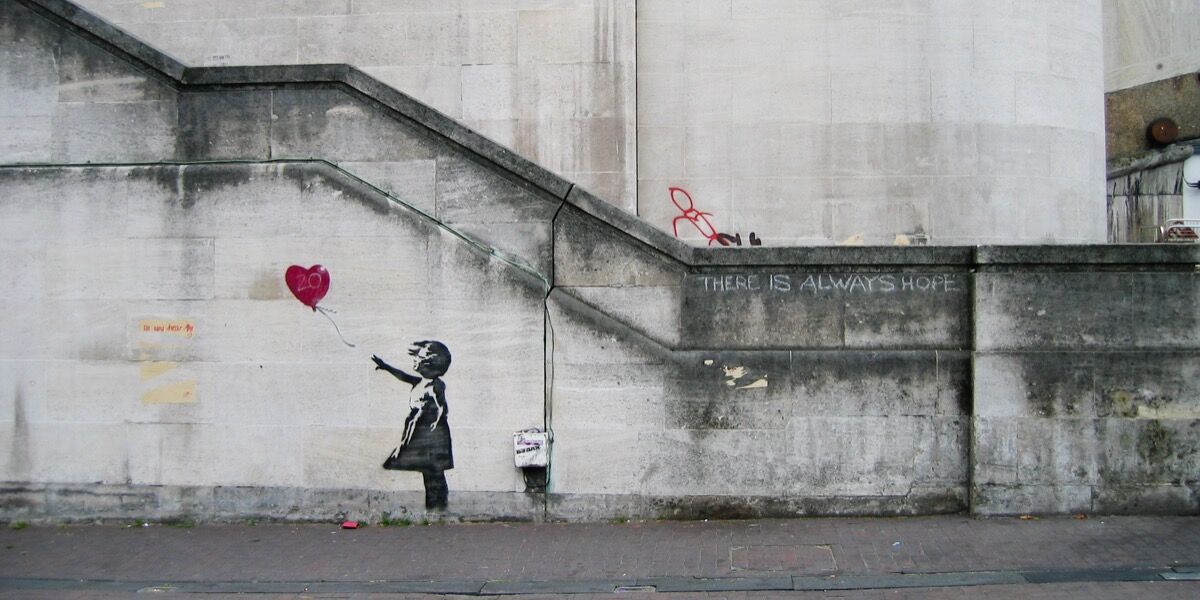
Banksy's 6 Most Iconic Artworks - Artsy  


I began my new op-ed column, 'Camino a Ítaca' today with a piece about the plight of kids under the COVID-19 lockdown here in Spain. Click over to the original here. A real-life Jiminy Cricket tale that began its life in the English version below.

Moving Shop

  We've moved house. This blog has moved to  https://troynahumko.com/ See you over there!